I. Introduction
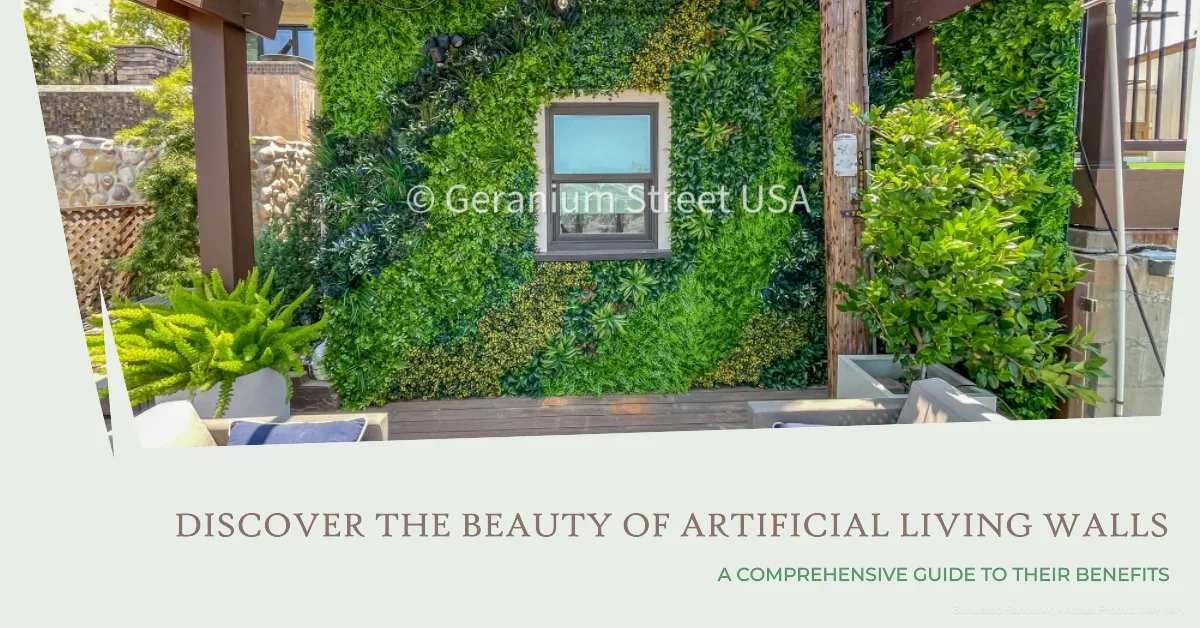
Living walls have become increasingly popular in modern architecture and design, as they offer an attractive and efficient way to incorporate nature into urban spaces. These vertical gardens, often integrated into the facades of buildings, come in two main forms: live plant walls and artificial living walls. Live plant walls consist of actual plants growing on a vertical surface, while artificial living walls are made up of synthetic plants that mimic the appearance of real foliage. While both types of living walls provide visual appeal and can contribute to a sustainable environment, artificial living walls offer several unique advantages over their live counterparts. We aim to explore the benefits of artificial living walls, including their aesthetic appeal, cost-effectiveness, environmental advantages, and flexibility, while acknowledging their limitation in improving air quality compared to live plant walls.
II. Aesthetic Benefits
A. Consistent appearance
Artificial living walls maintain a consistent appearance throughout the year, as they are not affected by seasonal changes. Live plant walls, on the other hand, can lose their appeal during colder months when some plants may become dormant or lose their leaves. Artificial living walls are not susceptible to plant diseases or pests, ensuring a consistently healthy and vibrant appearance.
B. Customizable design options
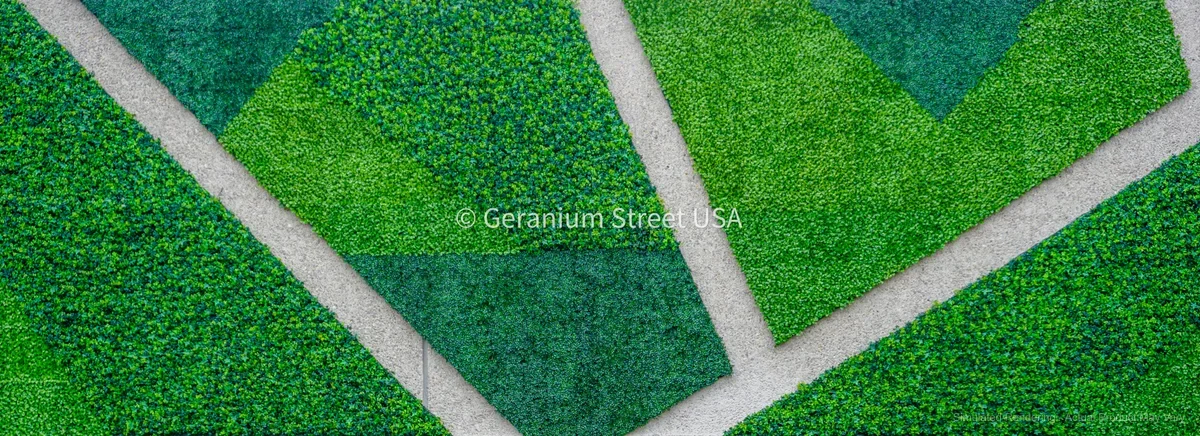
Artificial living walls offer a broad range of design options, including different colors, shapes, and sizes of foliage. This allows designers to create unique and visually appealing installations that cater to the specific tastes and preferences of their clients. With artificial living walls, designers can create intricate patterns or designs that would be difficult or impossible to achieve with live plants.
C. Low maintenance requirements
Artificial living walls do not require the regular pruning or trimming that live plant walls need. This saves both time and resources and ensures a consistently well-groomed appearance. As artificial plants do not experience growth, dieback, or disease, they do not need to be replaced, further contributing to the low maintenance requirements of artificial living walls.
III.** Cost-Effectiveness**
A. Lower initial installation costs
Installing an artificial living wall does not require the complex irrigation systems needed for live plant walls, which can be expensive to install and maintain. Artificial living walls have a more straightforward installation process compared to live plant walls, reducing the time and labor costs associated with their implementation.
B. Lower long-term maintenance costs
Artificial living walls do not require watering or fertilization, which reduces the ongoing costs of maintaining the installation and conserves valuable resources. The low maintenance requirements of artificial living walls translate to lower long-term labor and resource costs, making them a more cost-effective option for many situations.
C. Longevity and durability
High-quality artificial living walls are made from UV-resistant materials, ensuring that their vibrant colors remain intact even when exposed to sunlight over extended periods. Artificial living walls are more resilient to harsh weather conditions than live plant walls, making them a suitable option for outdoor installations where they may be exposed to extreme temperatures or precipitation.
IV. Environmental Advantages
A. Water conservation
- No irrigation required
Artificial living walls do not require irrigation, which means they consume significantly less water than live plant walls. This contributes to water conservation, particularly in regions where water scarcity is a pressing issue.
- Reduced water consumption compared to live plant walls
By eliminating the need for irrigation, artificial living walls can reduce overall water consumption, making them a more environmentally friendly option in certain circumstances.
B. Reduction of pesticide and fertilizer use
- No need for chemical treatments
Since artificial living walls are not vulnerable to pests or diseases, there is no need for chemical treatments such as pesticides or fungicides. This reduces the potential negative impact on the surrounding environment.
- Reduced environmental impact
The elimination of pesticides and fertilizers in the maintenance of artificial living walls results in a decreased environmental footprint compared to live plant walls, which may require these chemicals to maintain their appearance and health.
V. Flexibilit****y and Adaptability
A. Installation in various locations
- Indoor and outdoor installation
Artificial living walls can be installed both indoors and outdoors, providing design versatility and enabling their use in a wide variety of settings.
- Suitable for spaces with limited natural light
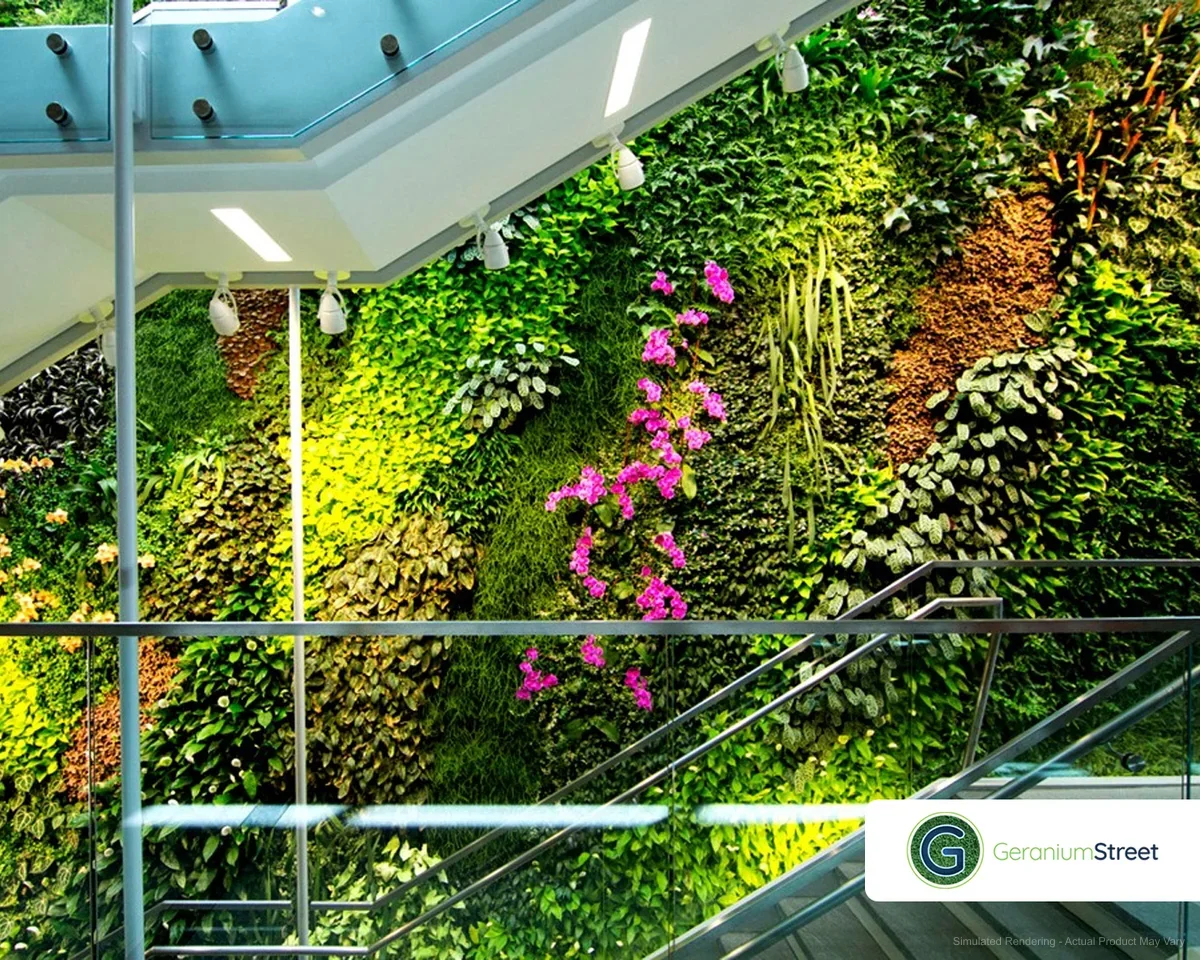
Unlike live plant walls, which typically require access to natural light for photosynthesis, artificial living walls can be installed in spaces with limited or no access to natural light, such as interior rooms without windows or areas with constant shade.
B. Easy modification and updates
- Swapping out or rearranging panels
Artificial living walls often consist of modular panels, making it easy to swap out or rearrange the design as needed. This allows for quick updates or adjustments based on changing design trends or preferences.
- Adapting to changing design trends
The flexibility and ease of modification of artificial living walls make them an adaptable option that can evolve with changing design trends or personal preferences.
VI. Limitations of Artificial Living Walls
A. Lack of air quality improvement
- No natural air filtration is provided by live plants
One significant limitation of artificial living walls is their inability to improve air quality. Live plant walls can naturally filter and purify the air, absorbing pollutants and producing oxygen. Artificial living walls, however, do not provide these benefits.
- Importance of considering alternative air purification methods
When choosing an artificial living wall, it is crucial to acknowledge this limitation and consider implementing alternative methods for air purification, such as air filters or adding standalone live plants to the space.
VII. Conclusio****n
A. Recap of advantages of artificial living walls
Aesthetic benefits Cost-effectiveness Environmental advantages
B. Consideration of limitations
Addressing the lack of air quality improvement Assessing potential environmental concerns
C. Final thoughts on the role of artificial living walls in modern design
In conclusion, artificial living walls offer numerous advantages over live plant walls, including aesthetic appeal, cost-effectiveness, environmental benefits, and flexibility. While they do not provide the air quality improvement that live plant walls offer, their other benefits make them a valuable and attractive option in various design settings.