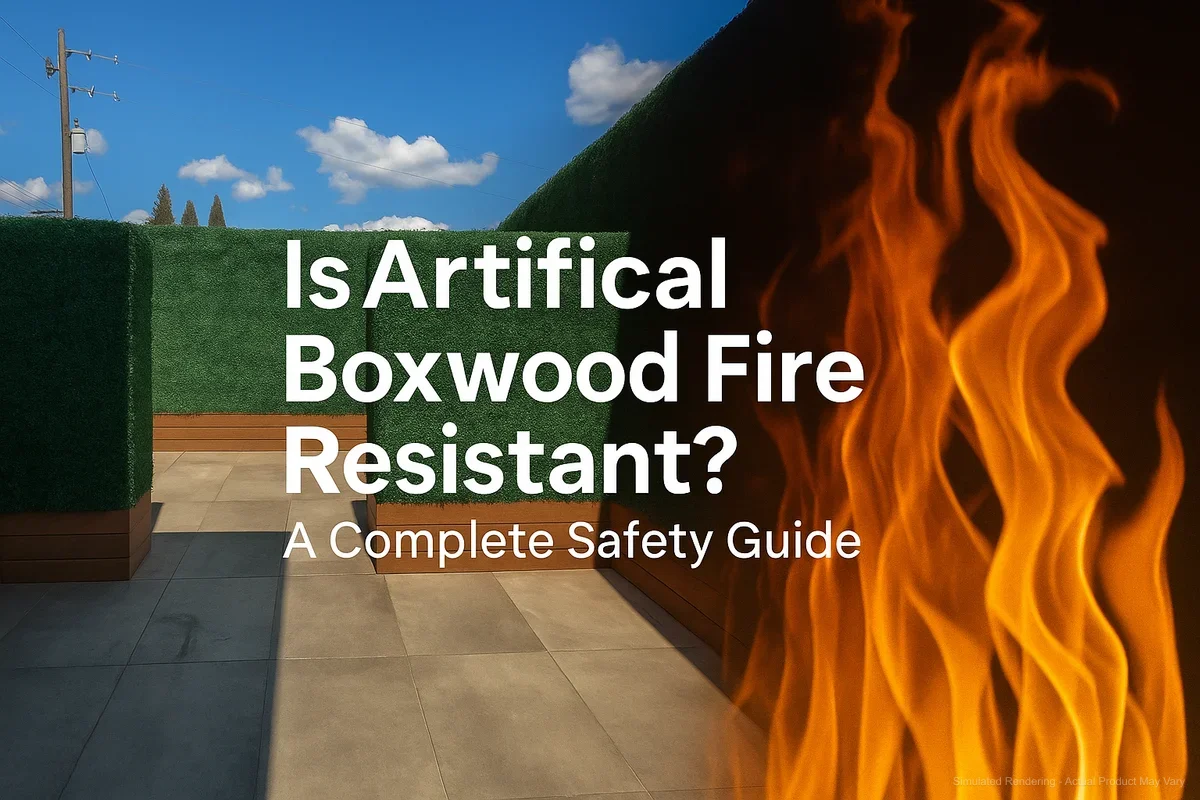
When it comes to decorating with artificial greenery, one of the most pressing questions homeowners and business owners ask is: Is artificial boxwood fire resistant? This concern is particularly valid given the increasing popularity of artificial plants in both residential and commercial settings. Understanding the fire-safety characteristics of artificial boxwood is crucial for making informed decisions about your décor choices.
Understanding Artificial Boxwood Materials
Artificial boxwood is typically manufactured using synthetic materials designed to mimic the appearance and texture of natural boxwood plants. The primary materials used in construction include:
Common Materials in Artificial Boxwood
Polyethylene (PE) plastic
Most common base material
Polypropylene (PP)
Often used for stems and branches
Polyvinyl chloride (PVC)
Sometimes used in lower-quality products
UV-resistant coatings
Added to prevent fading
Fire-retardant treatments
Applied to higher-quality products
Fire Resistance vs. Fire Retardant: What’s the Difference?
Before delving deeper into artificial boxwood safety, it’s important to understand the distinction between fire-resistant and fire-retardant materials:
Fire Resistant
-
Materials that naturally resist ignition
-
Difficult to ignite under normal conditions
-
May still burn when exposed to extreme heat
Fire Retardant
-
Materials treated with chemicals to slow combustion
-
Delays ignition and flame spread
-
Can self-extinguish when heat source is removed
Safety Standards and Certifications
The fire safety of artificial boxwood products is governed by various industry standards and certifications. The National Fire Protection Association (NFPA) establishes guidelines for fire safety in both residential and commercial applications.
Key Safety Certifications to Look For
NFPA 701
Standard for flame-resistant textiles and films
CPAI-84
Flammability standard for decorative materials
California Fire Marshal
State-specific fire-safety requirements
UL (Underwriters Laboratories)
Independent safety testing certification
Factors Affecting Fire Resistance
Several factors influence whether artificial boxwood is fire resistant:
Manufacturing Quality
Higher-quality artificial boxwood products are more likely to include fire-retardant treatments. Premium manufacturers often apply specialized coatings or incorporate fire-resistant materials during production.
Treatment Application
Some artificial boxwood products receive fire-retardant treatments after manufacturing. These treatments can significantly improve fire resistance but may need periodic reapplication.
Age and Condition
Over time, fire-retardant treatments may degrade due to: UV exposure Weather conditions
Testing Methods for Fire Resistance
Manufacturers and testing laboratories use standardized methods to evaluate fire resistance in artificial plants. According to the Consumer Product Safety Commission, these tests help ensure products meet safety requirements.
Common Testing Procedures
Vertical Flame Test
Measures ignition time and flame spread
Horizontal Burn Test
Evaluates burning rate and self-extinguishing properties
Smoke Density Test
Measures smoke production during combustion
Toxicity Assessment
Evaluates harmful gas emissions
Best Practices for Fire Safety
Whether or not your artificial boxwood is fire resistant, following these safety guidelines is essential:
Installation Guidelines
-
Keep artificial plants away from heat sources
-
Maintain adequate clearance from fireplaces, heaters, and cooking appliances
-
Avoid placing near electrical equipment that generates heat
-
Ensure proper ventilation in enclosed spaces
Maintenance for fire-safety
-
Regular cleaning to remove dust and debris
-
Inspect for damage or deterioration
-
Replace worn or damaged sections promptly
-
Avoid using flammable cleaning products
Commercial vs. Residential Applications
The fire resistance requirements for artificial boxwood differ significantly between commercial and residential applications.
Commercial Requirements
Commercial installations typically require:
-
Higher fire safety standards
-
Regular inspections and maintenance
-
Documentation of fire resistance certifications
-
Compliance with local fire codes
Residential Considerations
While residential requirements may be less stringent, safety should remain a priority. Consider artificial topiary plants with verified fire-resistant properties for peace of mind.
Choosing Fire-Resistant Artificial Boxwood
When selecting artificial boxwood for your space, consider these factors:
Quality Indicators
Certification labels
Look for NFPA, UL, or similar certifications
Manufacturer reputation
Choose established brands with safety track records
Material specifications
Verify fire-retardant treatments are included
Installation guidelines
Comprehensive safety instructions indicate quality
Alternatives and Considerations
If fire resistance is a primary concern, consider these alternatives:
Natural Boxwood
While natural boxwood requires more maintenance, it generally poses less fire risk than untreated artificial alternatives. However, dried natural plants can become fire hazards.
Treated Artificial Options
Look for artificial outdoor plants specifically designed with fire-retardant properties for enhanced safety.
Hybrid Solutions
Some manufacturers offer hybrid products combining natural and artificial elements with fire-retardant treatments.
Legal and Insurance Considerations
The fire resistance of artificial boxwood can have legal and insurance implications:
Building Code Compliance
Many jurisdictions require fire-resistant materials in commercial buildings. According to the International Code Council, compliance with fire-safety codes is mandatory for commercial installations.
Insurance Coverage
Some insurance policies may have specific requirements for decorative materials, including fire resistance certifications.
Future Developments in Fire Safety
The artificial plant industry continues to evolve with new fire-resistant technologies:
Emerging Technologies
-
Advanced polymer formulations
-
Nano-coating applications
-
Self-extinguishing materials
-
Smart fire detection integration
Industry Trends
-
Increased focus on safety certifications
-
Stricter manufacturing standards
-
Enhanced testing procedures
-
Consumer education initiatives
Maintenance and Longevity
To maintain fire resistance properties:
Regular Inspection Schedule
Monthly visual checks
Look for damage or wear
Quarterly deep cleaning
Remove accumulated debris
Annual professional assessment
Verify continued fire resistance
Documentation
Keep records of maintenance and certifications
Conclusion
So, is artificial boxwood fire resistant? The answer depends on the specific product, manufacturing quality, and safety treatments applied. While not all artificial boxwood products are inherently fire resistant, many quality options include fire-retardant treatments that significantly improve safety.
When selecting artificial boxwood, prioritize products with proper certifications, choose reputable manufacturers, and follow installation and maintenance guidelines. Whether you’re considering artificial wall panels or individual plants, fire safety should always be a key consideration in your decision-making process.
By understanding the factors that affect fire resistance and choosing quality products with appropriate certifications, you can enjoy the beauty and convenience of artificial boxwood while maintaining a safe environment for your home or business. Remember that fire safety is an ongoing responsibility that requires proper product selection, installation, and maintenance to ensure long-term protection.