Living Wall Buyer's Guide
Decide when an artificial living wall is the right route, which product families fit the project, and when a stock product path should become a quote-led installation discussion.
Who this guide is for
This guide helps visitors quickly decide whether a living wall is the right commercial or decorative path for the project they actually have.
- Commercial teams looking for a design-led wall finish without irrigation or plant maintenance.
- Hospitality and venue projects that need guest-facing greenery with a specification-friendly path.
- Residential buyers who want a decorative wall or focal installation rather than a privacy-first hedge screen.
- Designers and property teams comparing fixed-price wall products with quote-based custom installs.
When living walls are the right path
The fastest way to avoid the wrong product list is to separate decorative wall intent from privacy-first hedge intent.
- Choose living walls for decorative impact: Living wall routes are usually stronger when the goal is a feature wall, branded backdrop, lobby statement, or guest-facing greenery installation.
- Do not use a living wall route when privacy is the main requirement: If the project mainly needs screening, separation, or fence coverage, hedge systems are usually the clearer path.
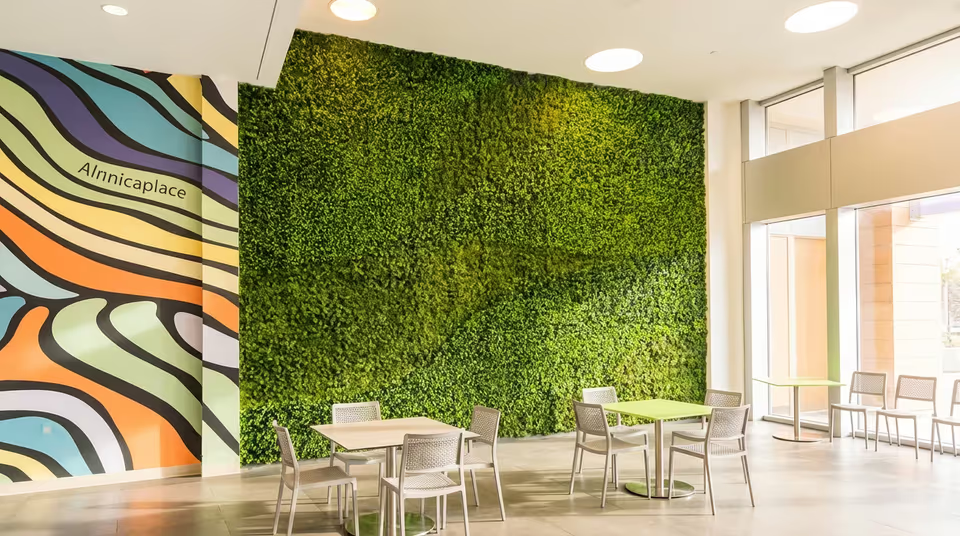
- Use living walls when the visual finish matters at close range: Mixed foliage, patterned layouts, and premium wall systems are most useful when people will interact with the wall as a visible design element.
Choose products, systems, or a custom install path
Living wall buyers usually fall into one of three paths: direct product browsing, a more formal system/documentation path, or a custom install conversation.
| Route | Use this when | Next step |
|---|---|---|
| Fixed-price living wall products | You already know the product family and the scope is straightforward enough to browse directly. | Artificial Living Wall Systems |
| Vallum FRX or documentation-sensitive system work | The project needs a more formal system path or documentation support is part of the brief from the beginning. | Vallum FRX |
| Custom living wall installation | The wall is large, irregular, branded, or sensitive enough that the recommendation depends on photos, dimensions, or review context. | Request a Product Quote |
Product families that shape the decision
Product pages matter most when they help visitors narrow style, realism, and application fit quickly.
- Oasis Mat: A premium mixed-foliage path for projects where realism, texture variety, and a more finished decorative wall matter.
- Ficus Leaf Mat: A stronger path for tropical or hospitality-led design direction where the wall needs a softer, broader-leaf visual language.
- Forest Fern Mat: Useful for greener, calmer wall compositions where fern texture fits the interior mood better than boxwood-style density.
- Succulent Mat: A better fit for graphic or contemporary wall treatments where mixed succulent texture is the design goal.
When documentation matters on living wall projects
Documentation is not a generic overlay that sits on top of every product. It is a project and product question that needs to be resolved against the exact system being considered.
- Documentation questions matter most when the product path is being reviewed by a venue, landlord, design team, or AHJ.
- The request should be tied to the exact product or system being considered, not assumed from the category alone.
- If documentation is part of the job from the start, it is usually smarter to treat the project as a quote-led or system-led discussion.
If documentation is already part of the brief, compare the Vallum FRX system and the fire-safety guide before narrowing the final product path.
Projects that show the route in practice
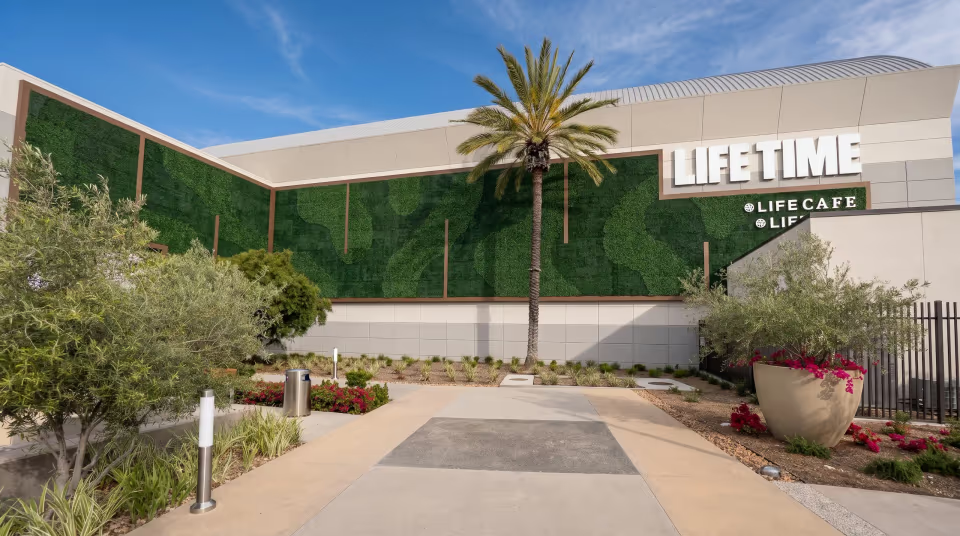
These project pages show how living wall work appears in commercial and high-visibility environments.
Frequently Asked Questions
Who should use a living wall route instead of a hedge route?
Use a living wall route when the project is mainly decorative and wall-based. Use a hedge route when privacy, separation, fence coverage, or barrier logic is the main requirement.
Should I browse products or request a quote?
Browse products when the application is straightforward and you already know the product family. Start with a quote when the design, scale, installation conditions, or documentation needs still need to be clarified.
When does documentation matter on a living wall project?
Documentation matters when the reviewing party is evaluating a specific product or system for a commercial, hospitality, venue, or similar installation. It should be handled against the exact material being considered.
Can living wall products work outdoors?
Some living wall products are suited to exterior applications, but outdoor use should still be matched to the exact product and environment rather than assumed across the whole category.
What makes a living wall project more likely to need a custom path?
Large walls, irregular layouts, branded designs, higher-visibility commercial installs, and jobs with review-sensitive documentation questions usually benefit from a custom or system-led path.